OX-ARC-2025-0039
Parchment Manuscript (Vellum) — Ottoman Turkish (Perso-Arabic Script)
Object Data
Find Context
Acquired from private collection, 2023. Previously held by descendant of village headman (köy muhtarı) in Vezirköprü district. The document was stored folded within a leather wallet alongside unrelated land deeds dating to the 1890s. Provenance chain documented in acquisition file (ref. ACQ-2023-117).
Photograph
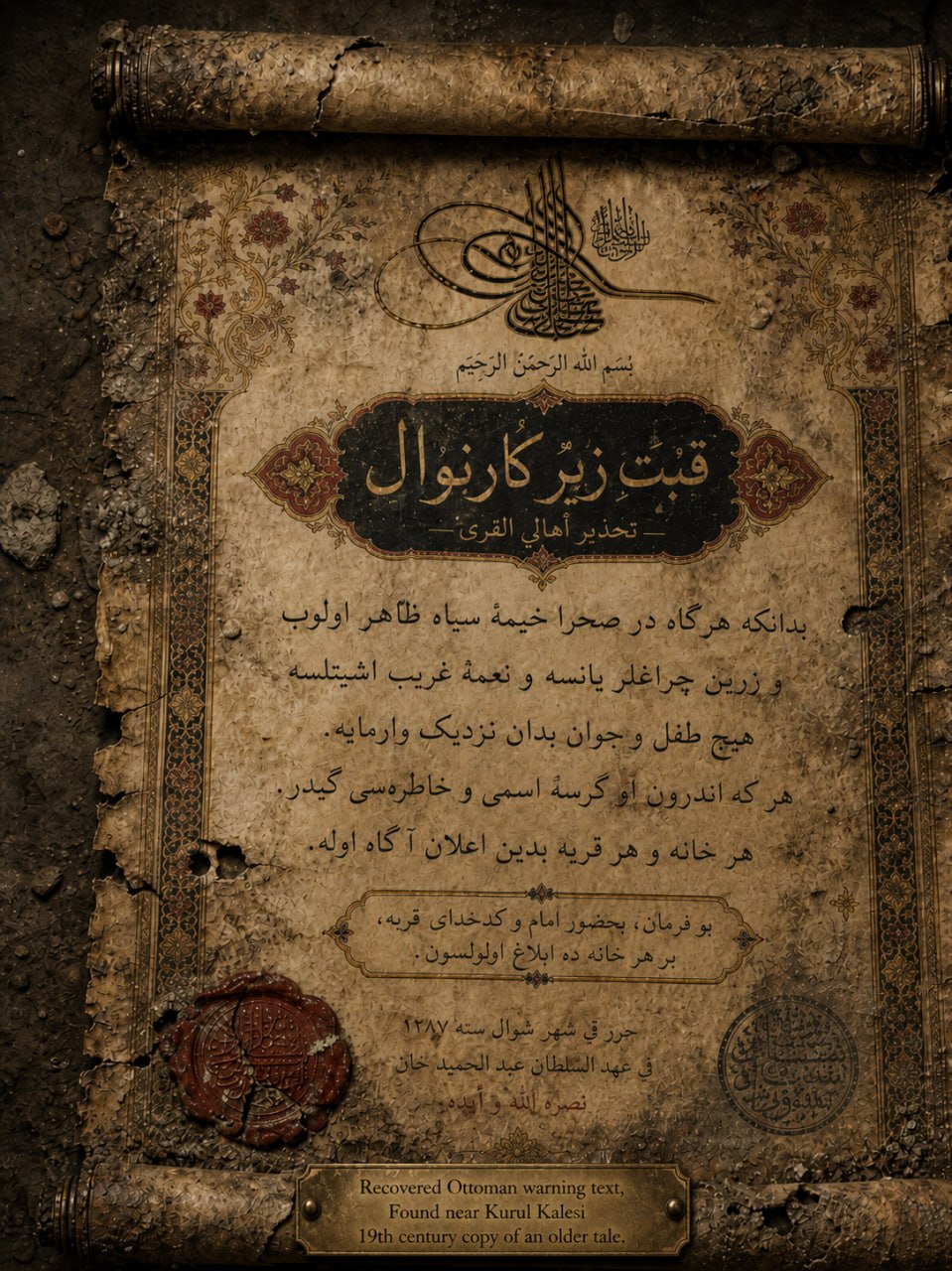
Fig. 1. Parchment manuscript OX-ARC-2025-0039. Ottoman firman, 1287 AH. Donated collection, School of Archaeology. Photograph: conservation laboratory, Michaelmas Term 2023.
Original Text
تحذیر اهالی القری
بدانکه هرگاه در صحرا خیمه سیاه ظاهر اولوب
و زرین چراغ یاسنه و نغمه غریب اشتیتسه
هیچ طفل و جوان بدان نزدیک و رمیه.
هر که اندرون او کرد، اسی و خاطره سی بد
هر خانه و هر قریه بدون اعلان آگاه اووله.
بو فرمان، بحضور امام و کدخدایی قره،
بر هر خانه ده ابلاغ اولونسون.
محرّم فی شهر صفر سنه ۱۲۸۷
فی عبد السلطان عبد الحمید خان
نصرة الله و ایّاه
Translation
Force Beneath the Carnival
Warning of the village people
Know that whenever a black tent appears in the desert and golden lamps shine and a strange melody is heard, no child or young person should go near it or throw themselves toward it.
Whoever enters inside it, memory and thought become ruined.
Every house and every village should be informed without announcement.
This firman, in the presence of the imam and the village headman, should be announced to every house ten times.
Muharram, in the month of Safar, year 1287
By Abdul Sultan Abdul Hamid Khan
May God aid him and protect him
Analytical Notes
The document presents itself as an imperial firman, though several features are irregular. The tughra is partially faded and has not been independently verified against known exemplars of Sultan Abdulhamid II’s seal. The language mixes Ottoman Turkish administrative formulae with Arabic and Persian elements in a manner that is broadly consistent with provincial documents of the period, though the subject matter is highly unusual.
The phrase “Force Beneath the Carnival” (Quvvet zīr-i kārnāvāl) as a heading is anomalous. Ottoman administrative documents do not typically employ such descriptive titles. The term “carnival” (kārnāvāl) is itself a European loanword uncommon in Ottoman official registers of this period.
The warning structure — black tent, golden lights, strange music, disappearance, memory loss — closely parallels the content of OX-ARC-2025-0038 (Roman, ~21 BCE) and the earlier Greek materials in this corpus. The temporal gap between the Roman text and this document is approximately 1,900 years.
The geographic proximity to Kurul Kalesi is noteworthy. The site contains pre-Roman reliefs including a seated female figure, tentatively identified in earlier scholarship as Cybele or a local Anatolian mother goddess (cf. Bryer & Winfield 1985, pp. 78–82).
Bibliography
Bryer, A. & Winfield, D. (1985). The Byzantine Monuments and Topography of the Pontos. Washington, D.C.: Dumbarton Oaks.
Shaw, S. J. (1976). History of the Ottoman Empire and Modern Turkey. Vol. 1. Cambridge University Press.
Faroqhi, S. (2006). The Ottoman Empire and the World Around It. London: I. B. Tauris.
Acquisition file ACQ-2023-117. School of Archaeology, University of Oxford. On file.